


Botswana’s economic recovery remains vulnerable to structural weaknesses, subdued global economic conditions and rising geopolitical tensions, despite a return to positive growth in the 12 months to June 2026.
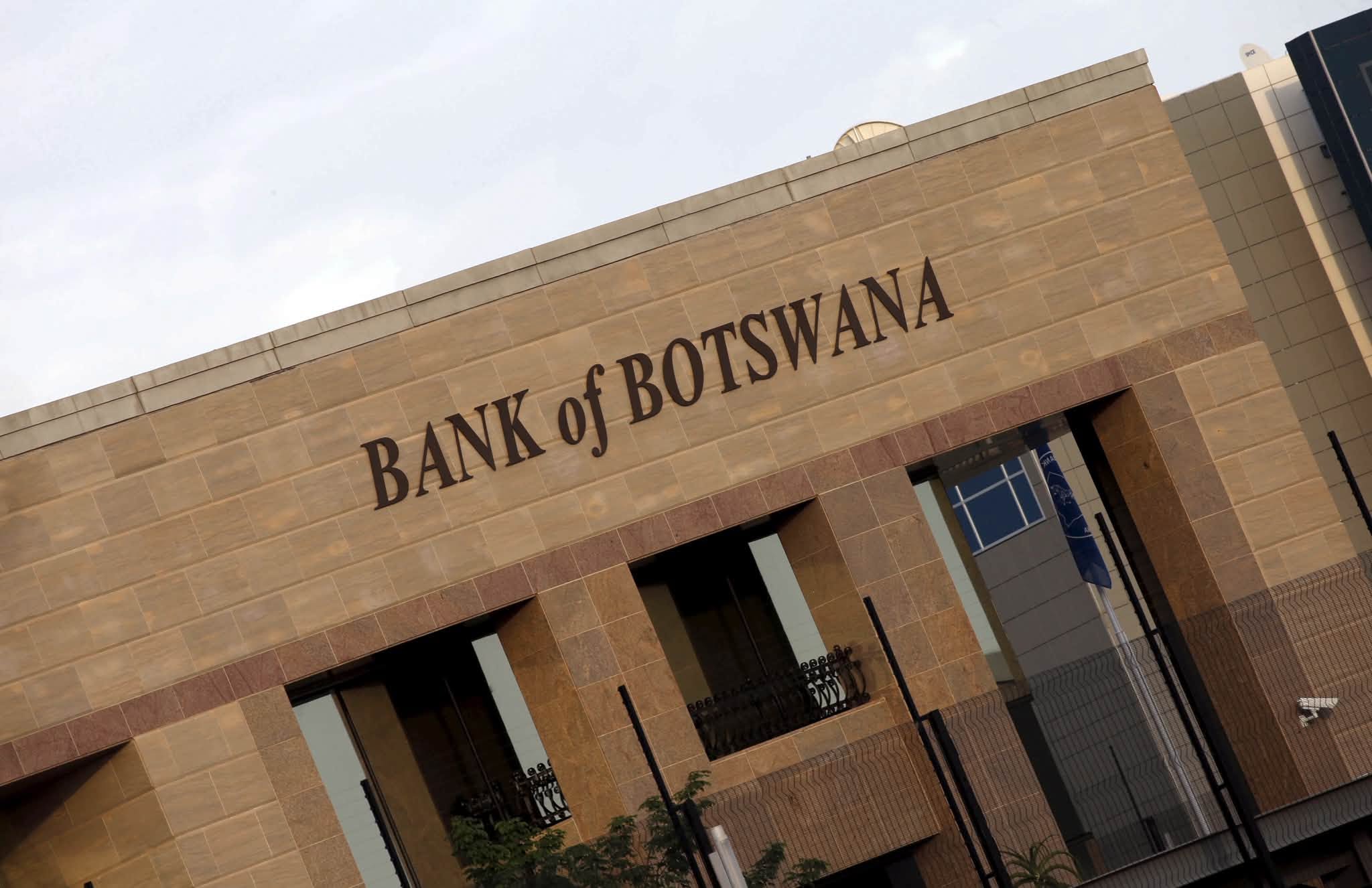
Bank of Botswana Governor Lesego Moseki, presenting the Monetary Policy Committee’s latest decision, said the domestic economy continues to face significant headwinds, including slow economic transformation, low productivity and uncertainty surrounding the recovery of the global diamond market.
Real Gross Domestic Product (GDP) grew by 3.7% in the 12 months to June 2026, compared with a contraction of 2.9% in the corresponding period in 2025. The improvement was largely driven by stronger mining sector performance, signalling a recovery in economic activity after a difficult period.
However, the positive growth figures mask deeper challenges facing the economy, particularly Botswana’s continued exposure to the diamond industry and the slow pace of diversification into other productive sectors.
The International Monetary Fund’s October 2026 World Economic Outlook projects global growth of 3.1% in 2026, down from 3.5% in 2025. Persistent geopolitical tensions, elevated energy prices and uncertainty surrounding international trade are expected to weigh on global economic activity.
The ongoing conflict in the Middle East has added to these pressures, disrupting supply chains and contributing to higher international commodity prices. These developments have implications for Botswana through increased import costs, pressure on domestic prices and potential weakness in demand for diamonds.
Domestically, the Ministry of Finance projects economic growth of 3.8% in 2026 and 4.1% in 2027. The anticipated recovery reflects stronger-than-expected economic performance during the first half of 2026, supported by higher diamond production.
Nevertheless, growth across non-mining sectors remains modest, highlighting the need to broaden the country’s economic base and reduce its dependence on a narrow range of industries.
The implementation of economic diversification initiatives under National Development Plan 12 and Botswana’s Economic Transformation Programme (BETP) is expected to play a critical role in accelerating structural transformation, improving productivity and unlocking new sources of growth.
The outlook, however, remains exposed to downside risks, including heightened geopolitical tensions, climate-related shocks associated with El Niño and increasing fragmentation of global trade.
The Bank of Botswana’s latest assessment underscores the importance of translating the current recovery into sustainable, broad-based economic growth.
While stronger mining activity has provided some relief, the durability of the recovery will depend on the pace of economic diversification, effective implementation of development initiatives and Botswana’s ability to withstand external shocks.
