


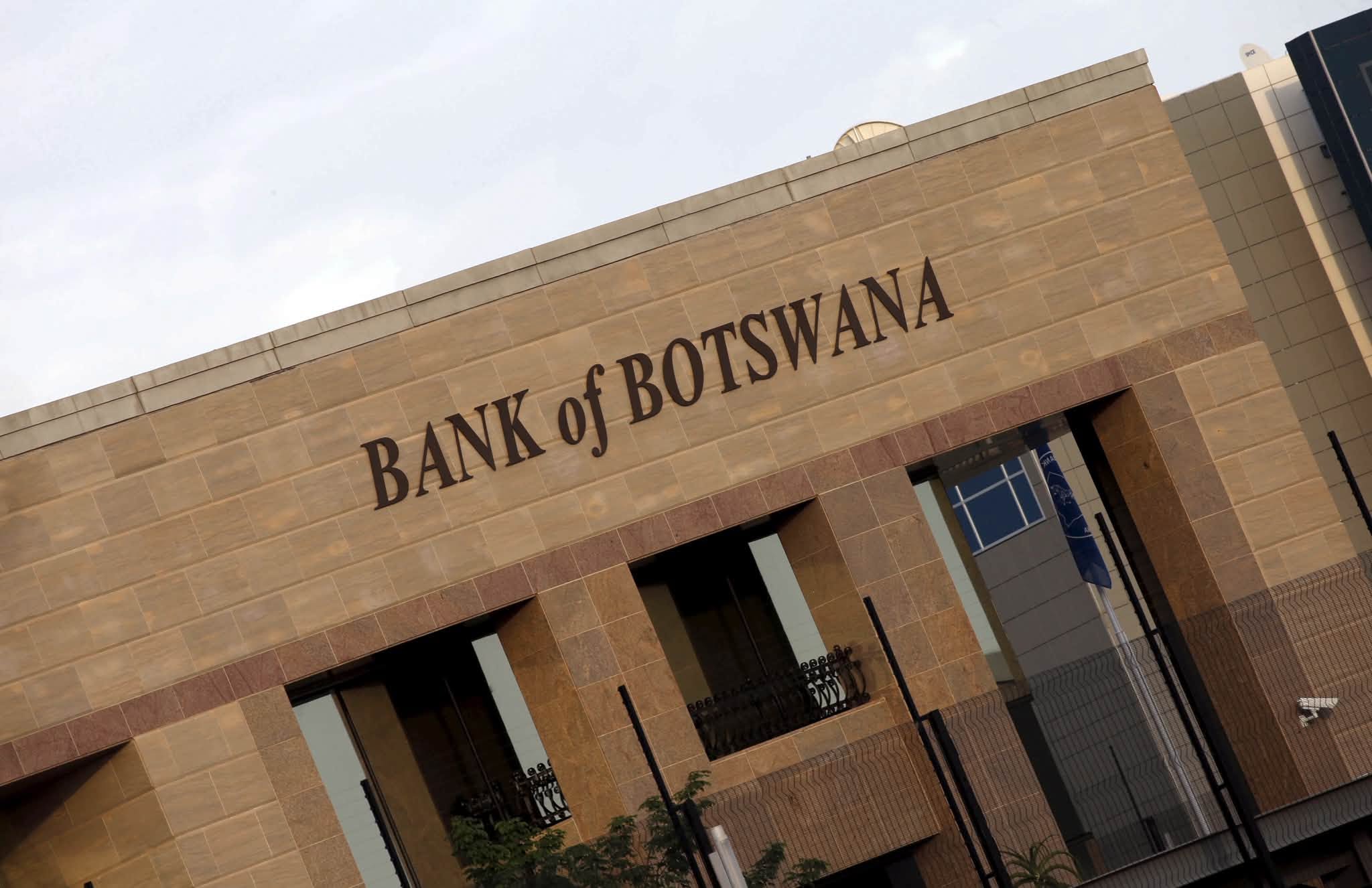
Botswana’s inflation rate eased to 7.8% in September 2026 from 9.3% in August, but remains above the Bank of Botswana’s medium-term objective range of 3% to 6%, with rising fuel costs, electricity tariffs and international commodity prices continuing to exert upward pressure on domestic prices.
Bank of Botswana Governor Lesego Moseki said the Monetary Policy Committee (MPC) expects inflation to remain above the objective range in the near term, reflecting persistent cost pressures and uncertainty in the global economic environment.
The decline in headline inflation was largely attributed to base effects associated with the increase in domestic fuel prices on 15 September 2025, which had contributed 0.93 percentage points to inflation.
Despite the moderation, the central bank expects inflation to average 8.1% in 2026 before easing to 5.4% in 2027.
The inflation outlook remains tilted towards the upside, with the MPC identifying potential second-round effects from relatively high domestic fuel prices and electricity tariffs, as well as possible further adjustments in domestic fuel prices.
These pressures could feed into the cost of transporting goods, operating businesses and delivering essential services, ultimately affecting consumer prices and household purchasing power.
External developments are also expected to complicate the inflation outlook.
The ongoing conflict in the Middle East has contributed to higher international prices for oil, gas, fertilisers and industrial inputs, increasing the risk of imported inflation for Botswana.
Rising global trade tensions and tariff measures could add further pressure to international prices, while disruptions to supply chains may increase the cost of sourcing goods and production materials.
Climate-related risks present another source of uncertainty.
The anticipated effects of El Niño, including below-normal rainfall, droughts and heatwaves, could affect agricultural production, contribute to livestock deaths and place additional pressure on food prices.
However, the central bank indicated that inflation could turn out lower than projected if domestic and global economic activity remains subdued.
A decline in international commodity prices could also ease some of the pressure, although changes in administered prices not incorporated into the current projections could alter the inflation outcome.
Against this backdrop, the MPC decided to maintain the Monetary Policy Rate (MoPR) at 5.5%, signalling a continued focus on balancing price stability with the need to support domestic economic activity.
The committee also maintained the Standing Deposit Facility rate at 4.5% and the Standing Credit Facility rate at 6.5%.
The MPC said domestic liquidity has improved since the last quarter of 2025, supported by increased government funding and spending, higher diamond receipts and adjustments to monetary policy operations.
These developments have moderated funding costs and could create scope for lower lending rates, strengthening the transmission of monetary policy to the wider economy.
The committee also decided to lift the moratorium on commercial banks’ primary reserve requirements, a move intended to support a more liberalised monetary policy framework.
Under the current environment of improved liquidity and moderating funding costs, the central bank expects the policy stance to contribute to a reduction in prime lending rates.
Nevertheless, the Bank of Botswana stressed the need for continued vigilance and careful management of inflation expectations to ensure inflation returns to the medium-term objective range.
For households and businesses, the easing in headline inflation represents a moderation in the rate at which prices are rising, rather than a reversal of previous price increases.
With inflation still above the central bank’s target, the cost of living is likely to remain a key concern as policymakers navigate domestic pressures and an uncertain global environment.
