


Econsult projects Botswana’s GDP to grow by 3.3 percent in 2026, marking the highest annual growth rate since 2022.
This growth is expected to be mainly driven by increased diamond production from Debswana, where output was up 14 percent over the first three quarters of the year. Econsult has further observed there will also be a small uplift from technical revisions to data on copper production, due to be published in the third quarter.
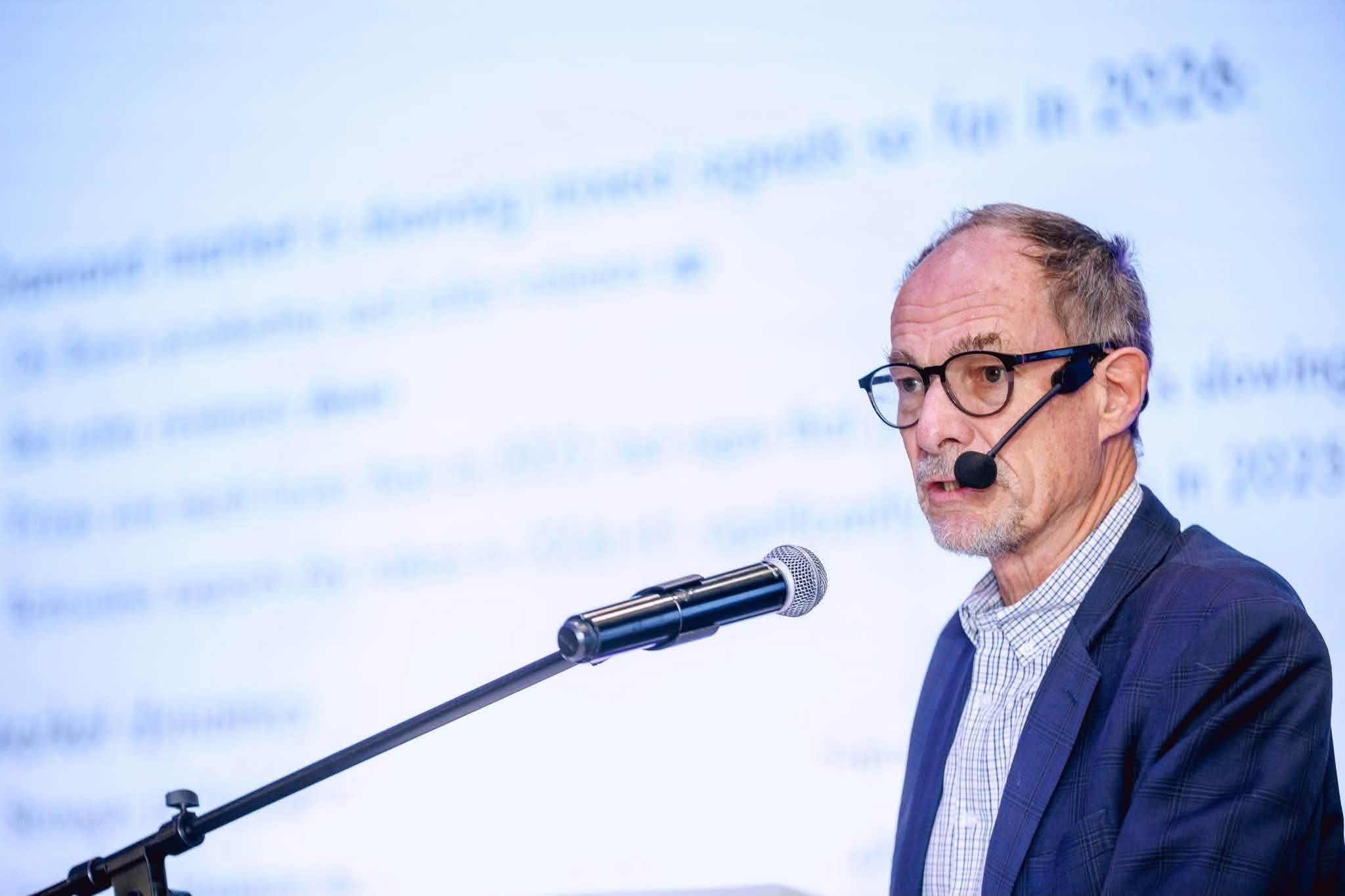
However, Keith Jefferis, Enconsult Managing Director, says the main drag on growth will be from the livestock and beef cluster, which has been badly hit by the Foot and Mouth (FMD) related restrictions.
“With no income from cattle and beef sales (also goats and sheep), while meeting ongoing feeding and labour expenses, many farmers, traders and feedlot operators will struggle to survive commercially, and the livestock/beef industry is likely to suffer long-term losses,” Jefferis saif.
“It will also affect the household sector, with an estimated 100,000 households typically receiving some income from some form of livestock-related activities.”
It is anticipated that the structural reforms being implemented under Botswana Economic Transformation Programme (BETP) will help to support growth, as it is expected that some of the BETP projects will soon reach bankability and move towards implementation.
But Jefferis warned that BETP reforms need to aggressively address the constraints to private sector growth currently arising from over-regulation, a restrictive immigration policy, labour regulations, trade restrictions, and dysfunctional land availability and transfer systems.
There are also hopes of positive developments from gradually lower interest rates in the coming months, which could help to reinvigorate credit demand and boost bank lending.
However, consumers are expected to be under pressure from rising inflation as domestic fuel prices are gradually adjusted upwards in line with global prices
